
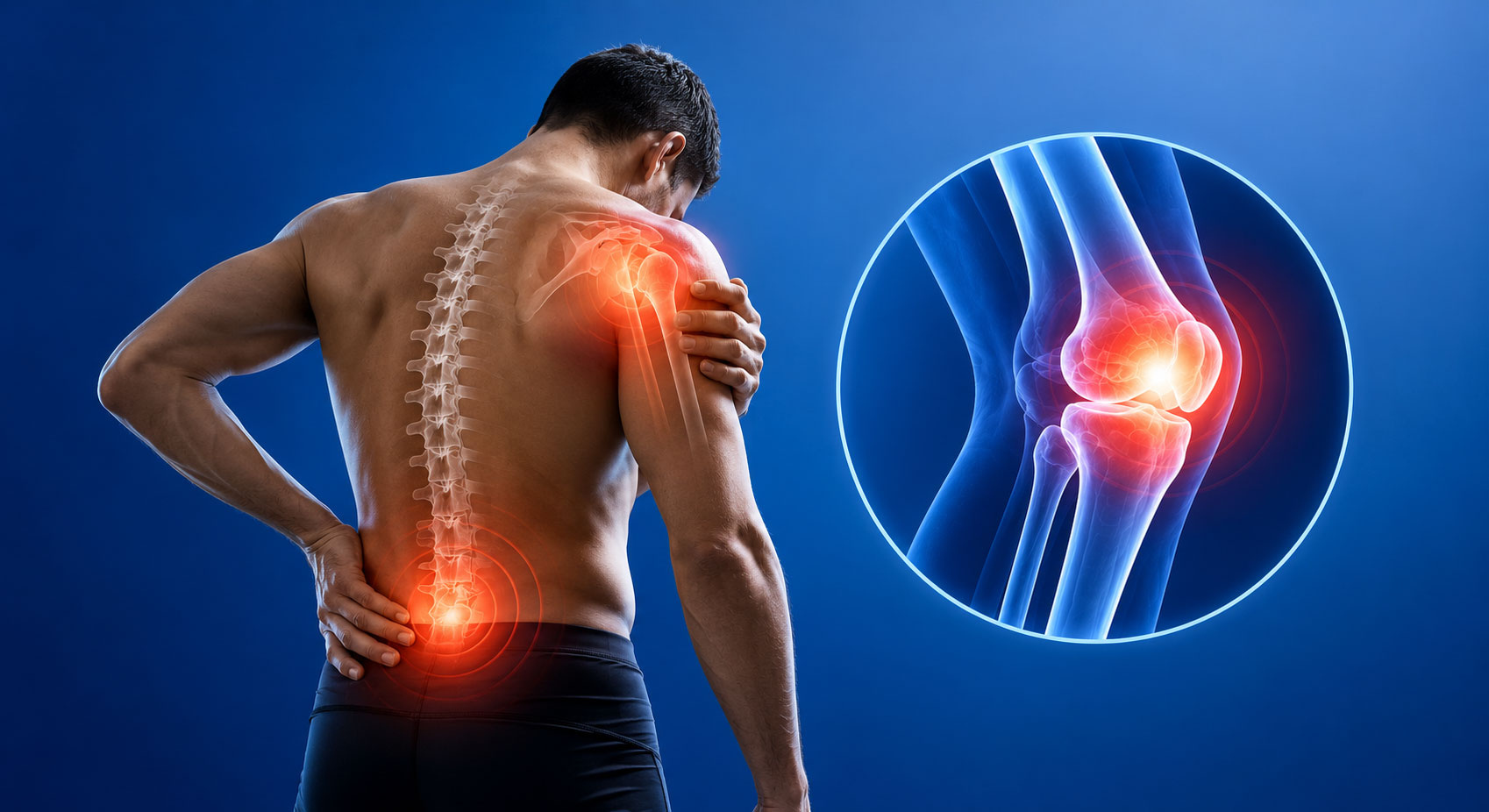
Orthopaedics focuses on the health of the musculoskeletal system, including bones, joints, muscles, ligaments, tendons, and the spine. Maintaining musculoskeletal health is essential for movement, independence, and quality of life at every stage of life.
What Is Orthopaedics?
Orthopaedics is the medical specialty concerned with the prevention, diagnosis, treatment, and rehabilitation of conditions affecting the musculoskeletal system.
Orthopaedic care covers a wide range of concerns, from everyday joint pain and sports injuries to fractures, arthritis, and conditions affecting the spine.
Common Orthopaedic Conditions
Joint Pain and Arthritis
Joint pain can occur because of injuries, inflammation, age-related changes, or conditions such as osteoarthritis. It commonly affects areas such as the knees, hips, shoulders, and hands.
Early evaluation can help identify the underlying cause and determine an appropriate management approach.
Back and Spine Problems
Back pain is common and can have many causes, including muscle strain, poor posture, injuries, and certain spinal conditions.
Persistent or severe back pain should be evaluated by a qualified healthcare professional, particularly when it is accompanied by weakness, numbness, or other concerning symptoms.
Sports and Activity-Related Injuries
Physical activity is important for overall health, but sports and exercise can sometimes result in injuries involving muscles, ligaments, tendons, or joints.
Common examples include sprains, strains, ligament injuries, and tendon problems. Appropriate assessment and rehabilitation can support a safe return to normal activities.
Fractures
A fracture is a break or crack in a bone, commonly caused by falls, accidents, sports injuries, or weakened bones.
Suspected fractures require prompt medical assessment to determine the appropriate treatment.
Maintaining Healthy Bones and Joints
Good musculoskeletal health involves several lifestyle factors.
Stay Physically Active
Regular, appropriate physical activity helps maintain muscle strength, mobility, balance, and overall physical fitness. Weight-bearing and resistance exercises can also support bone health.
People with existing injuries or medical conditions should seek professional guidance about appropriate exercise.
Maintain a Balanced Diet
Bones require several nutrients to remain healthy. A varied diet containing adequate protein, calcium, vitamin D, fruits, vegetables, and other nutrient-rich foods can support overall bone health.
Individual nutritional requirements can vary, so professional dietary advice may be appropriate in certain situations.
Maintain a Healthy Weight
Maintaining a healthy body weight can help reduce excessive stress on weight-bearing joints such as the knees and hips. A balanced diet and regular physical activity can support healthy weight management.
Pay Attention to Posture and Movement
Good posture and appropriate movement techniques can help reduce unnecessary strain during everyday activities and exercise. People who regularly sit for long periods may benefit from taking movement breaks and maintaining an ergonomically suitable workspace.
Bone Health and Aging
Bone and muscle health can become increasingly important with age. Changes in bone density, muscle strength, balance, and joint function may affect mobility and increase the risk of falls and fractures.
Regular physical activity, appropriate nutrition, and discussions with healthcare professionals about individual risk factors can support healthy aging.
When Should You Seek Medical Advice?
Not all aches and pains require immediate medical attention, but persistent, worsening, or severe symptoms should not be ignored.
Consider consulting a healthcare professional if you experience:
- Persistent joint or bone pain
- Repeated swelling or stiffness
- Difficulty walking or moving a joint
- Pain that interferes with daily activities
- Recurrent sports injuries
- Reduced strength or mobility
- A suspected fracture or serious injury
Sudden severe pain, major trauma, visible deformity, loss of movement, or new weakness or numbness may require urgent medical evaluation.
The Importance of Rehabilitation
Recovery from an orthopaedic condition often involves more than treating the initial problem. Depending on the condition, rehabilitation may include physiotherapy, strengthening exercises, mobility work, and gradual return to normal activities.
Following a personalized rehabilitation plan can help support recovery and restore function.
AVY Biotech’s Commitment to Orthopaedic Healthcare
At AVY Biotech, we are committed to contributing to better healthcare through quality-focused pharmaceutical solutions. Our approach combines scientific understanding, responsible practices, and a commitment to reliability.
Through our focus on areas including orthopaedic and musculoskeletal health, we aim to support healthcare professionals with dependable solutions that address evolving healthcare needs.
Conclusion
Healthy bones, joints, and muscles are essential for maintaining mobility and independence. Regular physical activity, balanced nutrition, healthy weight management, injury prevention, and timely medical care can all contribute to better musculoskeletal health.